
What Aneta Zarzycka’s Offroad Fitness Install Video Tells You About Influencer Marketing in the Offroad Arena
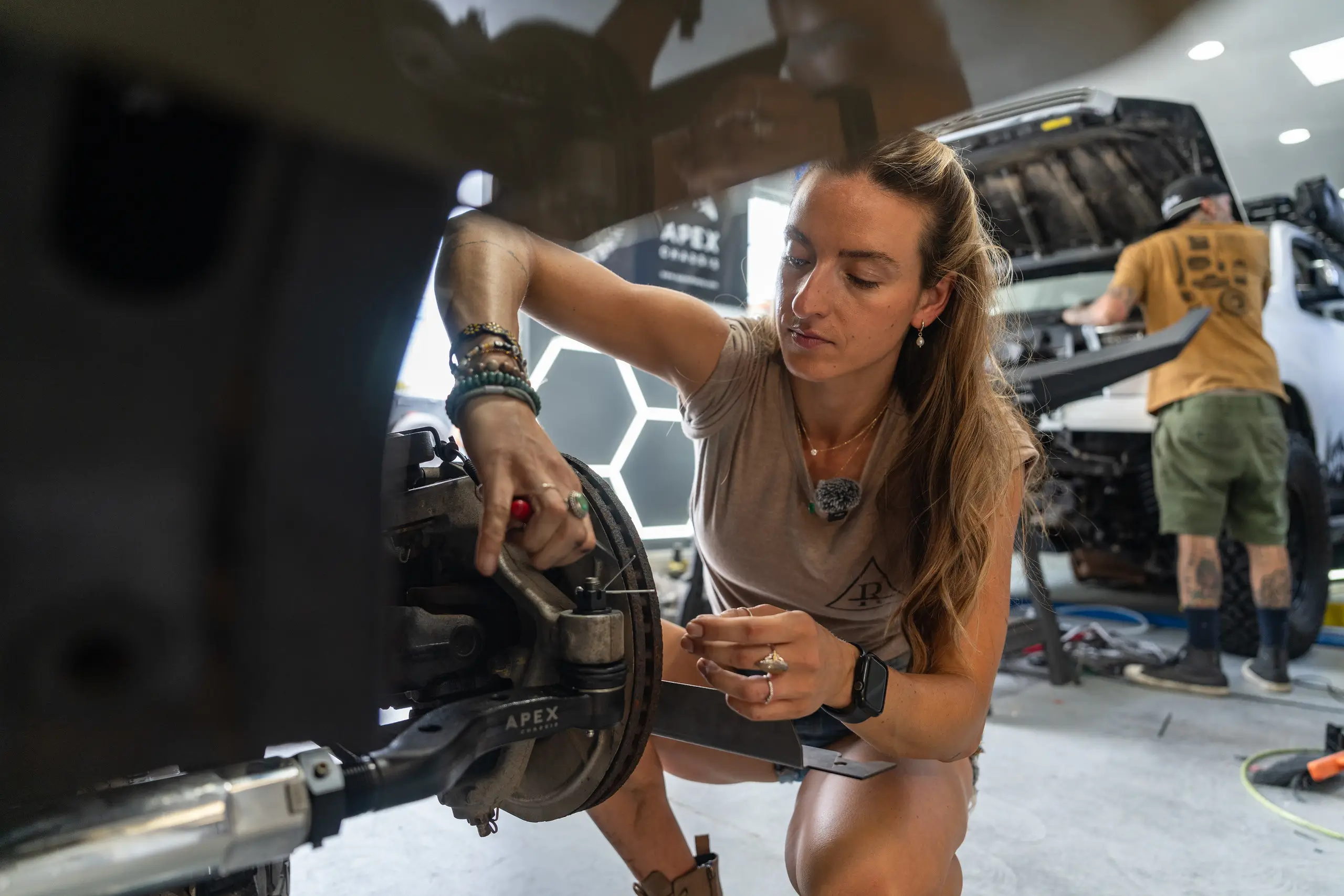
Aneta Zarzycka has her Jeep Gladiator up on stands, tie rod ends off, walking through a full steering kit swap step by step. No script reading, no cutaway to a product shot with a voiceover. Just a Gladiator, a wrench, and a builder showing exactly how an Apex Chassis steering kit goes in. That video, posted to her Offroad Fitness channel, is the clearest argument we can make for why influencer marketing works differently in this industry than it does almost anywhere else.
The audience already knows what a bad ad looks like
Offroad and aftermarket buyers are not a soft target. Most of them have installed parts themselves, argued about tie rod diameters in a forum thread, and sat through enough sponsored content to tune out anything that smells like a script. A 15 second clip of someone smiling next to a lifted truck does not move this crowd. What does move them is watching someone actually do the work: torque specs, fitment quirks, the moment where a part either lines up clean or fights you the whole way.
That is what makes an install video a different kind of asset than a typical sponsorship. It is not an ad interrupting content. It is the content, and the product has to hold up on camera in real time.
Why Aneta, specifically
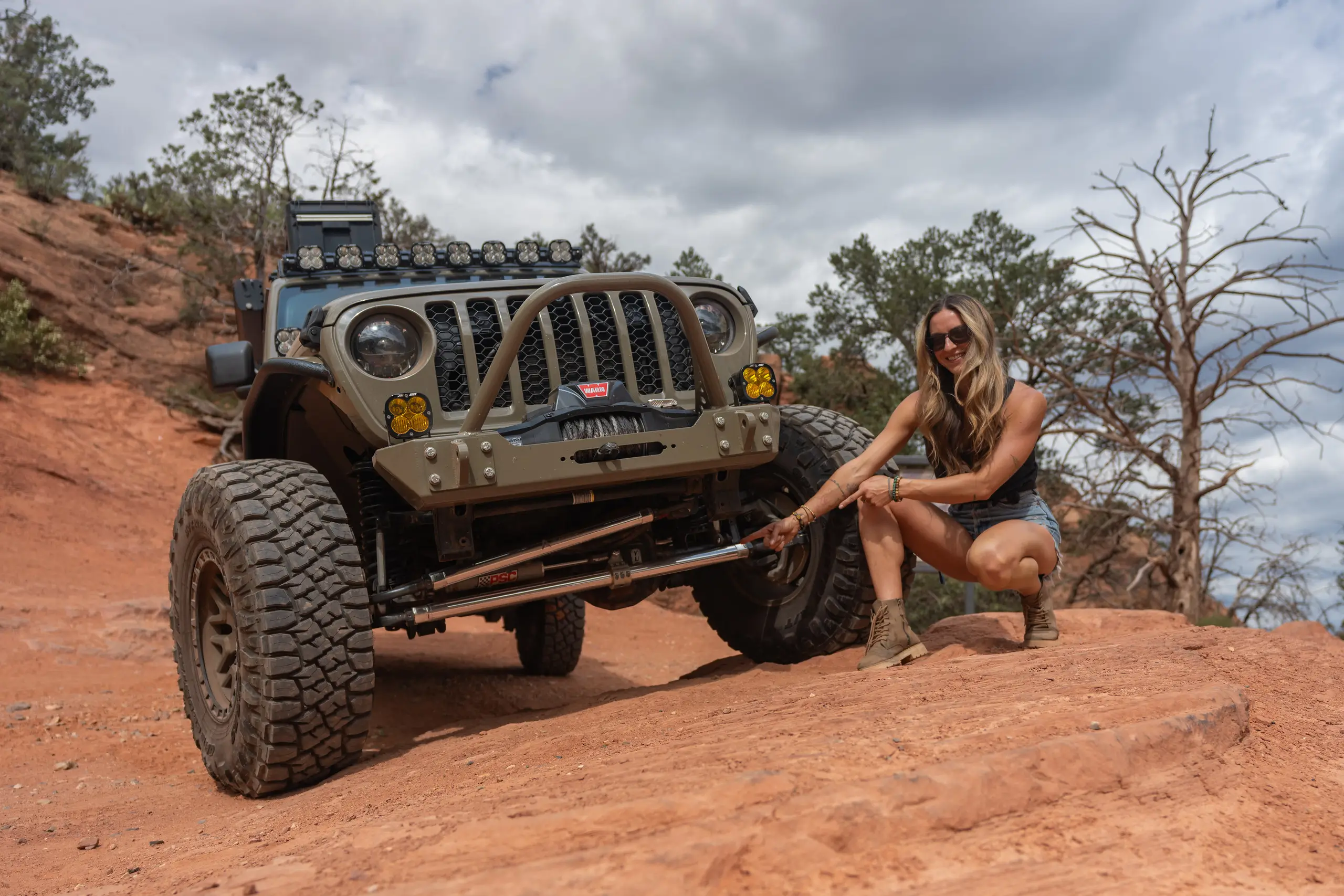
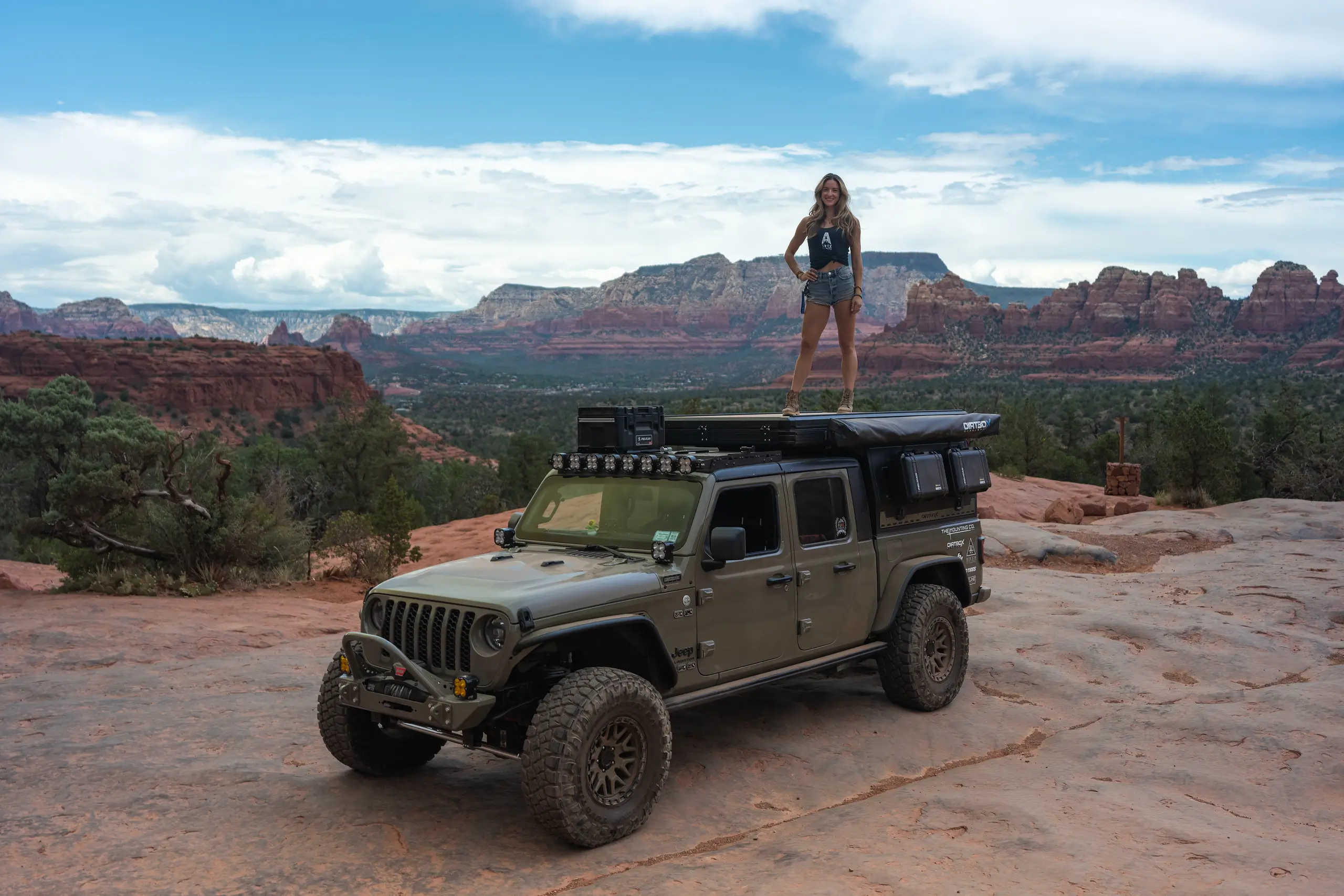
Aneta built her own Gladiator, has been profiled as a build feature on DECKED’s blog, was covered in Four Wheeler magazine’s “Motivated” piece on her cross-country Gladiator build, and has shown up talking shop at Overland Expo. She’s someone this audience already recognizes as a builder, not a spokesperson. When she says a part fit and torqued the way it should, viewers take that at face value, because they’ve watched her wrench on her own rig long before any brand was involved.
That prior credibility is the entire value proposition. A brand can buy reach. It can’t buy the assumption that a creator would call out a part that didn’t work.
Producing the video, not just booking it
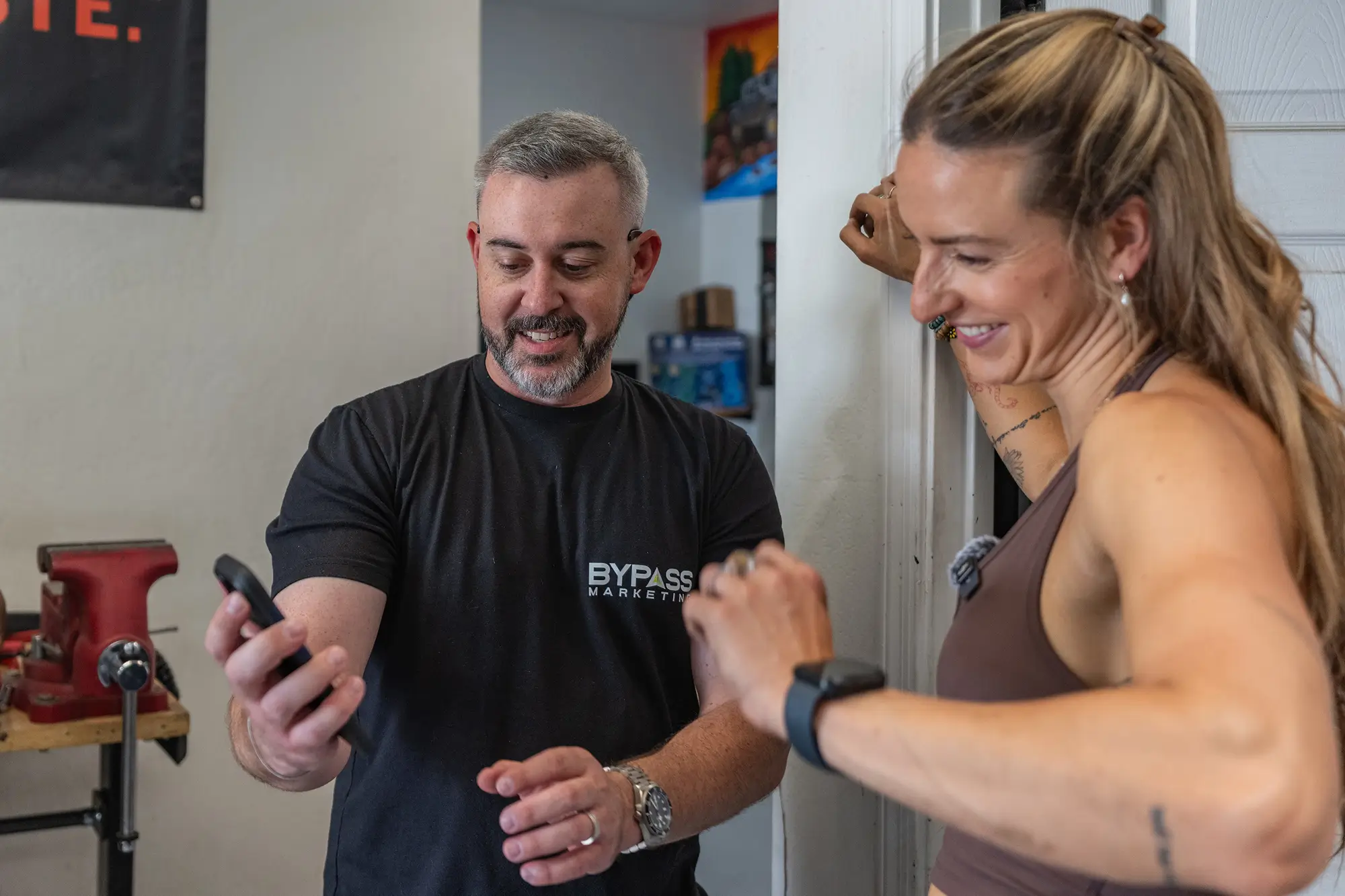
The steering kit install wasn’t a hands-off sponsorship where Apex Chassis handed Aneta a product and a check. Bypass produced the video, which meant having a hand in how the Apex Chassis kit got shown and explained while keeping the format exactly what Aneta’s audience expects from her channel: a real install, shot the way she normally shoots one. That’s a harder needle to thread than it sounds. Push too hard on the product messaging and it stops feeling like her channel. Leave it too loose and the brand doesn’t get anything usable out of it. The install video sits in the middle: technical enough to double as proof, still recognizably hers.
The real takeaway for aftermarket brands
The lesson here isn’t “get an influencer.” Buyers in this category are evaluating whether a part will hold up under real use, so the marketing that actually works looks less like an advertisement and more like a review from a friend who already knows what they’re doing. A single well produced install video, with the right creator and the right level of creative involvement, does something a banner ad or a 30 second spot can’t: it shows the product working, installed by someone the audience already believes.
That’s the bar worth building toward: content that functions as proof, not content that just gets seen.
If you’re an aftermarket brand trying to figure out whether influencer marketing is worth the investment, we can help you find out. Bypass Marketing handles creator selection, production, and the work in between. Contact us to talk through what proof-driven content could look like for your brand.